

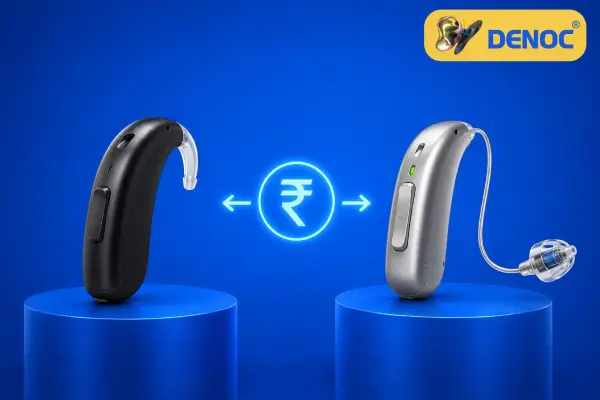
Hearing loss can affect conversations, work, relationships, and overall quality of life. Fortunately, modern hearing aids offer advanced technology that helps people hear clearly and confidently. However, one of the first questions many people ask is about the hearing aid price or Hearing aid machine price before making a purchase. While comparing prices is important, making your decision based only on cost can lead to disappointment. The best hearing aid is one that matches your hearing needs, lifestyle, and budget.
Understanding what influences the hearing aid price and Hearing aid machine price allows you to make a smarter investment. From advanced technology and essential features to warranty coverage and after-sales service, several factors contribute to the overall value of a hearing aid. This guide will help you compare hearing aid prices effectively, understand what you’re paying for, and confidently choose the right hearing solution for your needs.
Understand Why Hearing Aid Prices Differ
Hearing aids are available in various styles, technologies, and feature levels. This is why the hearing aid price can vary significantly between models.
Several factors affect pricing, including:
- Level of hearing loss supported
- Hearing aid style and design
- Digital sound processing technology
- Bluetooth connectivity
- Rechargeable battery options
- Artificial intelligence features
- Brand reputation
- Warranty and after-sales services
- Professional fitting and programming
Instead of focusing only on the lowest price, consider the overall benefits each device provides.
Get Your Hearing Tested First
Before comparing hearing aid prices, schedule a professional hearing evaluation. Every person’s hearing loss is different, and choosing the wrong hearing aid may not provide the results you expect.
A qualified audiologist can determine:
- The type of hearing loss
- The severity of hearing loss
- Which hearing aid style suits you best
- The features that will benefit your daily life
Early hearing assessment plays a vital role in identifying hearing loss and selecting the most appropriate treatment options. The World Health Organization (WHO) – Hearing Loss.
Compare Hearing Aid Features
Modern hearing aids include advanced technologies designed to improve listening comfort in different environments. Along with the right hearing device, professional support such as Speech therapy near me can help individuals improve communication skills, develop better listening habits, and gain confidence in everyday conversations. These combined solutions provide a more complete approach to managing hearing challenges effectively.
Compare features such as:
- Noise reduction
- Speech enhancement
- Directional microphones
- Bluetooth connectivity
- Smartphone compatibility
- Rechargeable batteries
- Feedback cancellation
- Automatic sound adjustment
- Wind noise reduction
Choose features that match your daily routine instead of selecting the most expensive model available.
Don’t Compare Price Alone
When evaluating the hearing aid price, always ask what is included.
Many hearing clinics include additional services such as:
- Complete hearing assessment
- Hearing aid fitting
- Device programming
- Follow-up appointments
- Cleaning and maintenance
- Warranty
- Free adjustments
- Trial period
A hearing aid with professional support often provides better long-term value than a cheaper device purchased without expert care.
Compare Different Hearing Aid Styles
Different hearing aid styles suit different users.
Behind-the-Ear (BTE)
Ideal for mild to profound hearing loss, offering excellent durability and powerful performance.
Receiver-in-Canal (RIC)
Comfortable, lightweight, and one of the most popular choices for natural sound quality.
In-the-Ear (ITE)
Custom-made to fit the outer ear and easier to handle for many users.
Invisible Hearing Aids
Nearly invisible devices provide cosmetic benefits but generally have a higher hearing aid price because of their compact design.
Consider Long-Term Value
A hearing aid is an investment that should serve you for several years.
When comparing options, think beyond the purchase price and consider:
- Battery replacement costs
- Maintenance expenses
- Repair services
- Replacement accessories
- Software updates
- Professional support
Sometimes paying slightly more upfront results in lower costs over time.
Ask About Warranty and Support
Reliable after-sales service is just as important as the hearing aid itself.
Check whether your provider offers:
- Manufacturer warranty
- Repair coverage
- Replacement options
- Free servicing
- Technical assistance
- Regular performance checks
These services can significantly improve your overall experience.
Read Reviews and Compare Brands
Research different hearing aid brands before making your decision.
Look for reviews discussing:
- Comfort
- Sound quality
- Battery performance
- Durability
- Ease of use
- Customer support
Choosing a trusted provider ensures you receive genuine products and professional care.
Make an Informed Decision
The lowest hearing aid price isn’t always the best deal. Instead, compare technology, comfort, support, warranty, and long-term value. A properly selected hearing aid improves communication, confidence, and everyday life.
Investing in the right hearing aid today can provide years of better hearing and greater independence.
Frequently Asked Questions (FAQs)
1. Which hearing aid best suits my hearing loss?
The right hearing aid depends on your hearing level and lifestyle. A professional hearing test helps you choose the perfect device for clear, comfortable listening every day.
2. What is included in the total hearing aid price?
The hearing aid price often includes the device, hearing test, fitting, programming, warranty, and follow-up support. Always confirm what’s included before buying.
3. Are future adjustments included?
Yes. Many hearing clinics provide free follow-up adjustments to keep your hearing aid performing at its best as your hearing needs change.
4. Is there a trial period?
Many providers offer a trial period, allowing you to test your hearing aid in everyday situations before making your final decision.
5. What maintenance is required?
Keep your hearing aid clean, dry, and well-maintained. Regular servicing and simple daily care help ensure long-lasting performance.
6. Are rechargeable hearing aids available?
Yes. Rechargeable hearing aids offer all-day performance without frequent battery changes, making them a convenient and eco-friendly choice.
Conclusion
Choosing a hearing aid is more than comparing prices—it’s about finding the right solution for your hearing health. By understanding what affects hearing aid prices, comparing features, asking the right questions, and working with an experienced audiologist, you can make a confident, informed decision. The right hearing aid will not only improve your hearing but also enhance your communication, confidence, and overall quality of life for years to come.