

Clear hearing makes everyday life more enjoyable. From having conversations with family members to attending meetings, watching television and participating in social gatherings, hearing helps us stay connected with the people around us. However, hearing difficulties can make these simple activities challenging and sometimes affect confidence in social situations.
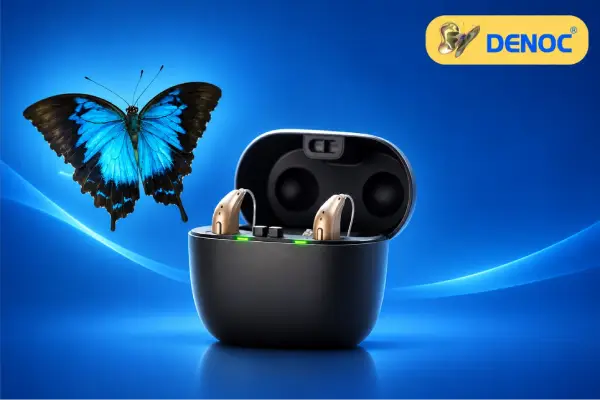
With improvements in hearing technology, rechargeable hearing aids have become a convenient option for people experiencing hearing loss. Unlike traditional devices that depend on disposable batteries, rechargeable models come with built-in batteries that can be charged using a dedicated charging case or station.
Choosing the best rechargeable hearing aid can make everyday hearing management easier while providing access to advanced digital features. These devices are designed to offer comfortable listening, convenient charging and improved sound processing. For individuals exploring hearing aids in Chennai, understanding their benefits and features can help them choose a suitable hearing solution.
What Is a Rechargeable Hearing Aid?
A rechargeable hearing aid is a digital hearing device that uses a built-in battery instead of disposable batteries. It captures sounds from the surrounding environment, processes them electronically and delivers amplified sound according to the user’s hearing requirements.
Unlike conventional hearing aids that need periodic battery replacement, rechargeable models can be placed inside a compatible charging case or connected to a charging station. Once fully charged, they provide several hours of hearing support, depending on the model, battery capacity and usage.
Rechargeable hearing aids are available in different styles, including Behind-the-Ear (BTE), Receiver-in-Canal (RIC) and In-the-Ear (ITE) designs. This variety makes it easier for individuals to select a device based on their hearing needs, comfort and lifestyle.
7 Benefits of Choosing the Best Rechargeable Hearing Aid
Modern rechargeable hearing aids offer several advantages beyond convenient charging. They combine practical everyday features with advanced digital technology to support a better listening experience.
1. Convenient Charging Without Frequent Battery Replacement
One of the main reasons people prefer rechargeable hearing aids is the convenience of charging. Traditional hearing aids require users to replace small disposable batteries regularly, which can become inconvenient over time.
Rechargeable models simplify this process. Users only need to place their devices inside the charging case when they are not in use. This makes it easier to maintain a regular charging routine without worrying about purchasing replacement batteries frequently.
For individuals who use hearing aids throughout the day, this simple feature can make everyday device management more comfortable.
2. Clearer Conversations with Advanced Sound Processing
Background noise can make conversations difficult, especially in crowded restaurants, shopping centres and public places. Modern rechargeable hearing aids come with digital sound processing features that help users manage different listening environments.
Depending on the model, features such as directional microphones, digital noise reduction and speech enhancement can help improve speech clarity and listening comfort.
For example, when speaking with someone in a busy environment, suitable hearing technology can help users focus more comfortably on conversations while managing surrounding sounds.
These features make advanced sound processing an important consideration when selecting a hearing aid.
3. Comfortable Support for Everyday Activities
Comfort is essential when choosing a hearing aid because users may wear their devices for several hours every day. A device that fits properly can make regular usage more convenient and comfortable.
Rechargeable hearing aids are available in different sizes and designs to suit individual preferences. Whether someone needs a discreet device or a behind-the-ear model, suitable options may be available depending on their hearing assessment.
With proper fitting and programming, users can enjoy more comfortable listening while attending meetings, speaking with family members or participating in social activities.
4. Reduced Dependence on Disposable Batteries
Replacing hearing aid batteries can become a recurring responsibility. Users need to keep spare batteries available and replace them whenever the existing ones run out.
Rechargeable hearing aids reduce this inconvenience through their built-in battery systems. This can also help reduce recurring expenses associated with purchasing disposable batteries.
Although rechargeable models may have a different initial purchase price, considering long-term maintenance and battery replacement expenses can help users understand their overall value.
Battery lifespan and replacement requirements may vary depending on the hearing aid model and manufacturer.
5. Bluetooth Connectivity and Smart Features
Many modern rechargeable hearing aids offer wireless connectivity features that support today’s digital lifestyles.
Depending on the model and smartphone compatibility, users may be able to connect their hearing aids to mobile phones and other compatible devices. This can make listening to phone calls, music and other audio content more convenient.
Some hearing aids also support dedicated mobile applications that allow users to adjust volume levels, change listening programmes and personalise certain sound settings.
These smart features provide additional convenience for people who regularly use smartphones and other digital devices.
6. Easier Handling for Senior Citizens
For some senior citizens, handling small hearing aid batteries can be challenging. Limited finger mobility or difficulty seeing tiny components may make frequent battery replacement uncomfortable.
Rechargeable hearing aids offer a simpler alternative. Instead of opening the battery compartment and replacing small batteries, users can place their devices in the charging unit.
This straightforward process can make daily hearing aid maintenance easier and help older adults manage their devices more independently.
7. Convenient for Travel and Daily Routines
People who frequently travel or spend long hours outside may appreciate the convenience of rechargeable hearing aids.
Many models come with portable charging cases that make it easier to recharge devices while travelling. Some charging cases also provide additional charging capacity, depending on the product.
Users should check the battery performance, charging time and portability of the device before purchasing. Following a regular charging routine can help prevent unexpected interruptions during important activities.
Important Features to Consider Before Buying a Rechargeable Hearing Aid
Selecting a hearing aid involves more than comparing brands and prices. The device should match your hearing condition, lifestyle and everyday listening requirements.
Battery performance is one of the first factors to consider. Check how long the hearing aid operates after a complete charge and whether its battery capacity suits your daily usage.
Sound processing technology is equally important. Features such as noise reduction, directional microphones and speech enhancement can improve listening comfort in different environments.
You should also consider connectivity options if you regularly use smartphones or other digital devices. Bluetooth compatibility, mobile application support and audio streaming can make everyday usage more convenient.
Most importantly, prioritise comfort, professional fitting and after-sales support. A hearing aid should be properly programmed according to your hearing assessment rather than selected only because it offers multiple advanced features.
How to Choose the Right Hearing Aids in Chennai?
Finding suitable hearing support can be confusing because several hearing aid brands, models and technologies are available. People searching for hearing aids in Chennai should consider consulting a professional hearing care centre before making a purchase.
The first step is to undergo a comprehensive hearing assessment. An audiologist can evaluate the type and degree of hearing loss and recommend suitable hearing aid options based on the results.
Professional fitting and programming are also important. Every individual has different hearing requirements, so the device settings should be adjusted to provide appropriate sound amplification and listening comfort.
A reliable hearing care provider should also offer guidance on device usage, charging, cleaning and regular maintenance. Follow-up consultations can help ensure that the hearing aid continues to meet the user’s changing requirements.
Rather than choosing a device based only on its price or brand, focus on professional recommendations and long-term hearing support.
Rechargeable Hearing Aids vs Traditional Battery-Powered Hearing Aids
When selecting a hearing aid, one important decision is whether to choose a rechargeable model or a traditional battery-powered device. Both options are designed to improve hearing and support everyday communication, but they offer different levels of convenience.
Rechargeable hearing aids feature built-in batteries that can be charged using a dedicated charging case or station. Users can simply place their devices in the charger when they are not in use, making daily maintenance easier. They are particularly convenient for senior citizens and individuals who find it difficult to handle small disposable batteries.
Traditional battery-powered hearing aids, on the other hand, operate using replaceable batteries. Users need to change the batteries periodically and keep spare ones available to avoid interruptions. While this option does not require regular charging, replacing small batteries can sometimes be inconvenient.
Both types of hearing aids are available with modern digital features such as noise reduction, speech enhancement and personalised sound settings, depending on the model.
For individuals who prefer easy maintenance and a simple charging routine, rechargeable hearing aids can be a practical choice. However, traditional battery-powered models may suit those who prefer replaceable batteries. The ideal option ultimately depends on individual hearing requirements, lifestyle and professional recommendations.
Tips to Maintain Your Rechargeable Hearing Aid
Proper maintenance is essential to keep your hearing aid working effectively. Regular cleaning and correct charging habits can help maintain device performance and reduce avoidable issues.
Always follow the manufacturer’s charging instructions and use the recommended charging accessories. Keep the hearing aid and charging case clean, avoid exposing them to excessive moisture or heat, and store the device safely when it is not in use.
It is also important to schedule regular professional check-ups. These visits allow an audiologist to assess device performance, make necessary adjustments and identify maintenance requirements.
With consistent care, users can enjoy a more reliable and comfortable hearing experience.
Conclusion
Choosing the best rechargeable hearing aid can make everyday hearing management more convenient through easy charging, advanced sound processing and modern connectivity features. These devices offer practical benefits for people who want comfortable hearing support without the frequent inconvenience of disposable battery replacement.
However, the right hearing aid is not necessarily the one with the most features. It should match your hearing requirements, lifestyle, comfort preferences and budget.
If you are exploring hearing aids in Chennai, consider starting with a professional hearing assessment. With the right hearing solution, proper fitting and regular care, you can enjoy conversations more comfortably and stay connected to the people and activities that matter most.